Make a Lasting Statement Through Custom Business Cards Printing
In the modern corporate landscape, custom business cards remain an important tool for establishing professional connections. They present a tangible representation of a brand's identity and values. A well-crafted card can leave a lasting impression, making it critical to consider design elements carefully. However, the actual impact of a business card reaches beyond aesthetics. Understanding how to effectively share and leverage these cards can significantly improve networking opportunities. What strategies can amplify their effectiveness further?
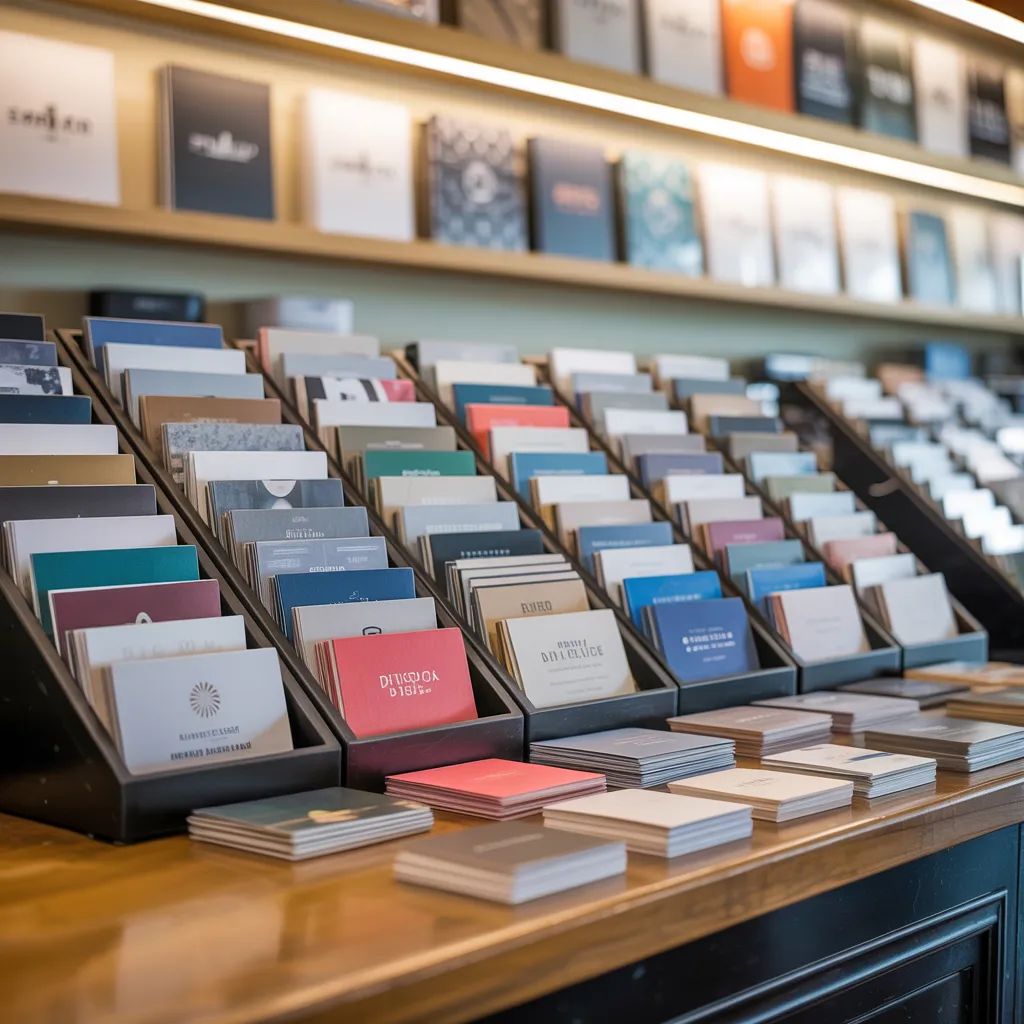
Why Custom Business Cards Matter for Your Brand
Personalized business cards act as a crucial instrument for brand identity. They project professionalism and form a tangible connection between people and their companies. A thoughtfully crafted card expresses a business's values, personality, and key differentiators, making it simpler for potential prospects or partners to remember them. These cards act not only as contact information repositories but also as mini-marketing tools that can trigger dialogue and promote networking opportunities.
In an increasingly digital world, physical business cards distinguish themselves, providing a personal touch that digital substitutes often miss. When exchanged, they leave a lasting impression, strengthening a brand's presence in the minds of recipients. Custom design permits creativity, representing the essence of the brand, whether through colors, typography, or materials. In the end, the significance of custom business cards lies in their ability to build relationships and boost visibility, making them a essential investment for any brand.
Crucial Design Elements for Business Cards
A well-crafted business card serves as a visual representation of a brand's identity and values. Essential design components include a clear and legible font, ensuring that contact information is easily readable. The choice of color holds a crucial role; it should reflect the brand's personality while remaining visually appealing. Incorporating a logo enhances brand recognition and establishes a professional image.
White space is equally important, as it prevents clutter and helps key information to stand out. Additionally, the layout should be harmonious, guiding the observer's eye seamlessly across the card. Creative design elements, such as rounded edges or raised textures, can add a memorable touch without eclipsing the overall aesthetic. Finally, including social media links or quick response codes can provide potential clients with easy access to additional information. Collectively, these design features contribute to a business card that effectively projects professionalism and brand identity.
Choosing Materials for Personalized Business Cards
Choosing the right materials for business cards is crucial for leaving a lasting impression. The choice of paper stock plays a pivotal role, with options ranging from standard cardstock to premium finishes like linen or textured materials, each conveying a different level of professionalism. The weight of the paper also matters; heavier cards often feel more solid and durable.
Beyond paper, special coatings can improve the card's appearance and durability. Glossy finishes can make colors stand out, while matte options offer a more subdued, elegant look. Some may choose unique materials such as plastic or metal, which can set their cards apart in a crowded market.
Finally, the selected materials should match the brand's identity and message, guaranteeing that the business card is not only visually attractive but also representative of the values and professionalism of the professional or company portrayed.
Help Your Business Card Stand Out
Creating a memorable business card goes beyond choosing the right materials; it requires incorporating original design elements that grab attention. A standout business card frequently features eye-catching colors, remarkable typography, and creative layouts that represent the brand's personality. Incorporating textures, such as embossed or foil accents, can also elevate tactile appeal, making the card more engaging.
Incorporating a logo or graphic that reflects the business's identity further solidifies its presence in the recipient's mind. Minimalist designs can convey sophistication, while bold patterns may evoke innovation. Furthermore, including essential information briefly ensures clarity without overwhelming the viewer.
Employing non-traditional shapes or sizes can even more set apart a business card, making it unlikely to be discarded. Ultimately, a well-designed business card acts as a strong marketing tool, leaving a enduring impression on potential clients and partners.
Strategic Allocation of Your Business Cards
While designing an eye-catching business card is crucial, its impact relies significantly on strategic distribution. Handing out business cards in the right situations can substantially enhance networking possibilities. Determining target audiences is important; cards should reach individuals who are likely to connect with the business.
Occasions like trade shows, conferences, and community gatherings serve as excellent venues for distribution. Professionals should also explore local businesses and cafes as informal networking spots, where casual interactions can result in meaningful connections.
Employing digital platforms can further widen reach; sharing a digital format of a business card through email or social media offers additional visibility.
Additionally, follow-up engagements are vital. Giving out cards should be matched with personal interaction, ensuring that recipients recollect the professional behind the card. In the end, a well-planned distribution method transforms a ordinary card into a effective networking instrument.
Evaluating Your Business Card's Networking Effectiveness
When examining the networking impact of business cards, first impressions are essential in building connections. Eye-catching design elements can increase memorability, while featuring essential information confirms that potential contacts can easily make contact. Recognizing these factors is vital for optimizing the effectiveness of business cards in business interactions.
Making a Strong First Impression
Initial impressions serve a crucial function in networking, as a well-designed business card can substantially affect perceptions. In business interactions, the exchange of cards often serves as one's initial greeting. A card that is aesthetically pleasing, readily legible, and professionally printed can convey a sense of reliability and thoroughness. In contrast, a poorly designed card may suggest negligence or unprofessional standards. The tactile experience of holding a quality card can strengthen a favorable perception, making it memorable. This initial encounter can establish whether a potential client or partner feels inclined to pursue contact or continue communication. Thus, investing in a business card that effectively represents a company's image is vital for successful networking.
Design Details That Shine
Effective design elements can significantly boost a business card's networking effectiveness, as they establish a visual identity that appeals to recipients. Key components such as color, typography, and layout play crucial roles in expressing professionalism and brand identity. A thoughtfully chosen color palette can evoke emotions and set the tone, while distinctive typography can make the card stand out. The layout should emphasize balance and readability, guaranteeing that key elements are easily discernible. Including distinctive shapes or textures can also create a tactile experience, further engaging the recipient. Additionally, using high-quality materials reflects a focus on excellence. In the end, these design elements work together to leave a lasting impression, making the business card not just a learn now contact tool but a powerful networking asset.
Vital Details To Provide
An expertly designed business card can only realize its complete potential when it features the correct information. Essential elements include the individual's name, job title, and company name, which establish identity and credibility. Contact details such as phone number, email address, and website are important for facilitating follow-up communications. Moreover, adding social media accounts can boost networking prospects, particularly in virtual spaces. A brief tagline or description of services can further clarify the individual's professional focus. It is also important to think about incorporating a logo, as it enhances brand identification. Finally, ensuring that the card's layout is clear and aesthetically pleasing will enhance its overall impact, making a memorable impression on potential clients or partners.
Common Questions
What Are the Common Expenses Involved in Custom Business Card Printing?
Typical costs for custom business card printing span from $10 to $100, influenced by factors including quantity, paper quality, design complexity, and printing method. Upscale options may include distinctive finishes or special materials.
How Long Will It Take to Create and Print Custom Business Cards?
Usually, developing custom business cards takes between a few hours and a few days, based on complexity. Printing time usually ranges from one to two weeks, affected by order volume, paper type, and specific printing techniques.
Is It Possible to Purchase Business Cards in Bulk for a Discount?
Ordering business cards in bulk usually qualifies you for discount pricing. Printing companies commonly provide tiered pricing, which decreases the price per card as order volume grows, making it a cost-effective option for businesses.
Are There Eco-Friendly Options for Custom Business Cards?
Indeed, a wide range of printing firms supply eco-conscious options for custom business cards. These comprise sustainable materials, recycled paper, and plant-based inks, allowing individuals to make eco-friendly decisions while producing high-quality and effective designs.
What File Formats Are Required for Business Card Designs?
When it comes to business card designs, standard file formats include JPEG, PDF, and PNG. Vector file types like AI and EPS are ideal for superior printing, guaranteeing crisp edges and vibrant colors. Correct resolution is vital for best results.